
Our Technology

Lead Asset CTx001
CTx001 is an adeno-associated virus (AAV)–based gene therapy designed to enable sustained, local modulation of the complement system at the site of disease. Administered via a subretinal injection, the therapy delivers genetic instructions to retinal cells in close proximity to areas affected by inflammation in Geographic Atrophy (GA). These cells are then able to produce mini-CR1, a truncated form of complement receptor 1 (CR1), a naturally occurring regulator of complement activity.
Mini-CR1 retains potent biological function, and its smaller size supports tissue penetration within the eye, enabling effective modulation of complement pathways implicated in GA. By reducing complement overactivation, CTx001 has the potential to address inflammation associated with disease progression.
By leveraging targeted gene delivery, this approach is intended to provide durable biological activity following a single administration, reducing treatment burden while maintaining precision across key complement pathways implicated in Geographic Atrophy.

How it works

Targeted delivery
A single administration delivers the therapeutic gene to retinal cells, enabling local expression in tissues where complement dysregulation contributes to disease.
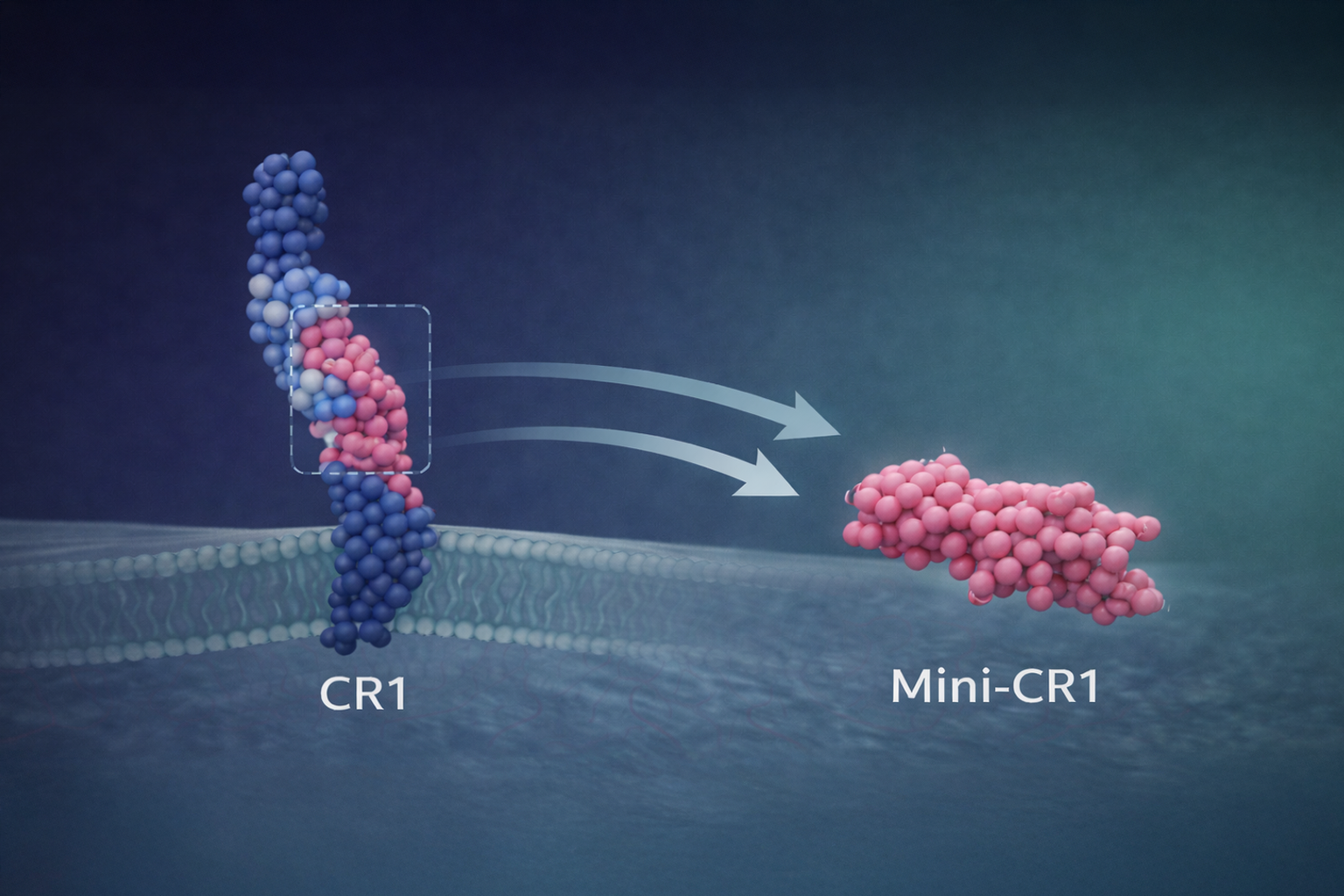
Sustained local expression
The delivered gene supports long-term production of mini-CR1, a small and potent complement regulatory protein designed to provide sustained modulation of complement activity.
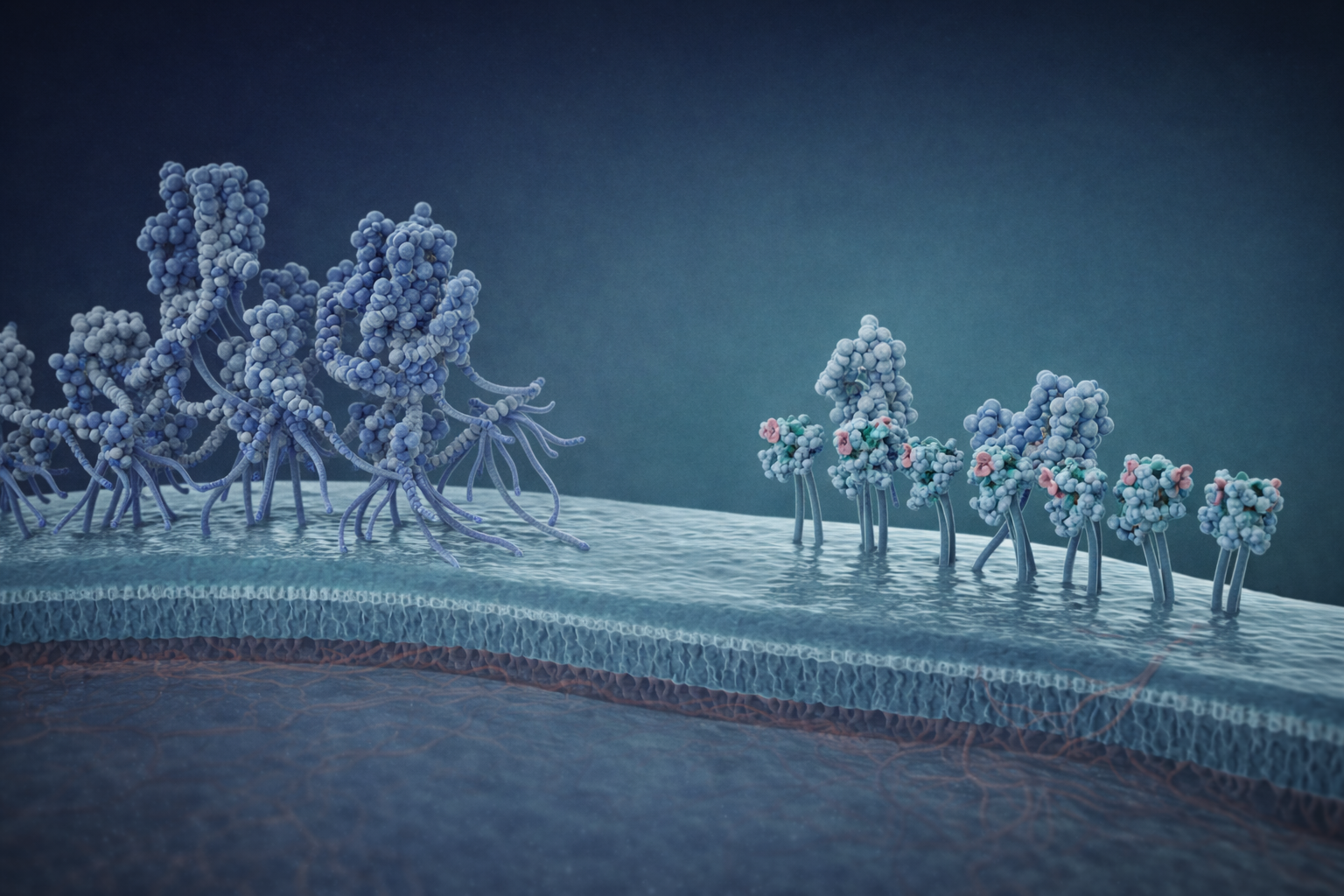
Disease-relevant modulation
By moderating key complement pathways involved in disease progression, the therapy aims to reduce chronic inflammation and tissue damage while preserving essential immune function.
What Makes This Approach Different

01.
Targets tissues where complement activation occurs
Mini-CR1 has the potential to penetrate different ocular compartments, accessing both the retina and the choroid to address complement-driven inflammation across the eye.


02.
A dual-pathway approach
Mini-CR1 modulates both the alternative and classical complement pathways, addressing multiple drivers of inflammation.

03.
Designed to achieve greater inflammation reduction
Mini-CR1 helps convert activated complement components into less inflammatory forms, reducing ongoing tissue damage while maintaining immune balance.

04.
Built for durability
Gene therapy enables continuous local production of mini-CR1, with the potential to reduce treatment burden and improve consistency of biological effect.
Explore our research and development programmes or contact the team regarding scientific collaboration, partnerships, or general enquiries.